


Losing a tooth is about far more than appearance.
Whether a tooth has been lost through decay, gum disease, trauma, or extraction, the effects can extend throughout the mouth and even impact overall health and wellbeing.
Many people assume that if a missing tooth is not visible when they smile, it does not need to be replaced. Unfortunately, this is rarely the case.
What Happens When a Tooth Is Lost?
Your teeth work together as a team. When one tooth is missing, the balance of the mouth changes.
Over time, this can lead to:
Movement of Other Teeth
The neighbouring teeth may begin to drift or tip into the empty space. The opposing tooth can also over-erupt into the gap. This can affect your bite and make cleaning more difficult.
Increased Wear and Damage
The remaining teeth often have to work harder, placing additional strain on them. This can increase the risk of tooth wear, fractures, and jaw joint problems.
Bone Loss
Healthy tooth roots stimulate the jawbone whenever you chew. Once a tooth is lost, the surrounding bone begins to shrink because it is no longer being stimulated.
Bone loss can affect:
- Facial appearance
- Lip and cheek support
- Future treatment options
- Stability of neighbouring teeth
Difficulty Chewing
Missing teeth can make it harder to chew certain foods properly, which may affect digestion and nutrition.
Changes to Speech
Depending on which teeth are missing, speech and pronunciation can be affected.
Changes to Facial Appearance
Over time, multiple missing teeth can contribute to a collapsed bite, premature facial ageing, and loss of support for the lips and cheeks.
Options for Replacing Missing Teeth
Modern dentistry offers several ways to replace missing teeth. The most suitable option depends on your oral health, bone levels, budget, medical history, and personal preferences.
Dental Implants
6
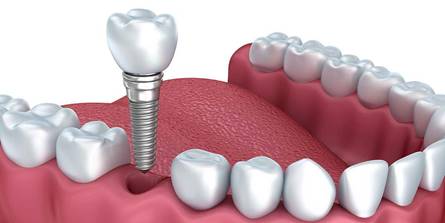
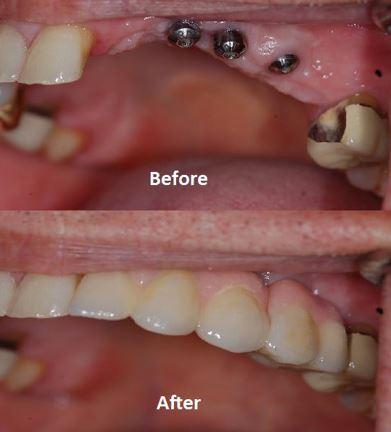
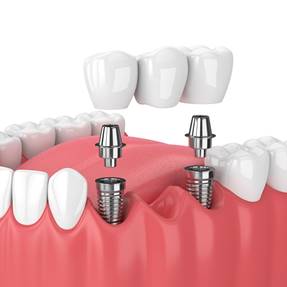
A dental implant is a titanium post that is placed into the jawbone to replace the missing tooth root. Once healed, a crown is attached to create a natural-looking replacement tooth.
Advantages
✓ Looks and feels very similar to a natural tooth
✓ Does not rely on neighbouring teeth for support
✓ Helps preserve jawbone and reduce bone loss
✓ Long-lasting solution
✓ Comfortable and stable
✓ Easy to clean and maintain
Considerations
• Usually the most expensive option initially
• Requires sufficient bone and healthy gums
• Surgical placement is required
• Treatment can take several months from start to finish
Best For
Patients seeking the closest replacement to a natural tooth and a long-term solution.
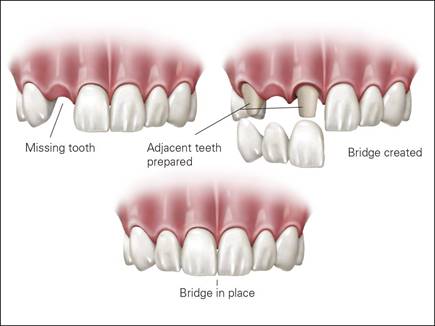
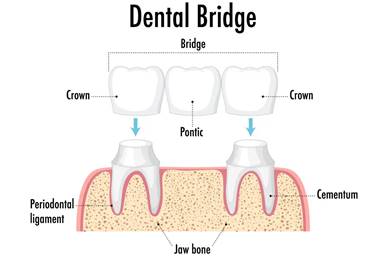
Dental Bridge
5
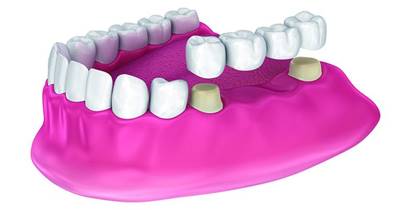
A bridge replaces a missing tooth by attaching a replacement tooth to crowns fitted on the neighbouring teeth.
Advantages
✓ Fixed in place
✓ Generally quicker than implant treatment
✓ No surgery required
✓ Good aesthetic result
Considerations
• Healthy neighbouring teeth often need to be prepared
• Does not prevent bone loss beneath the missing tooth
• Cleaning underneath the bridge requires special techniques
• Future problems with supporting teeth can affect the bridge
Best For
Patients who are not suitable candidates for implants or who prefer a fixed option without surgery.
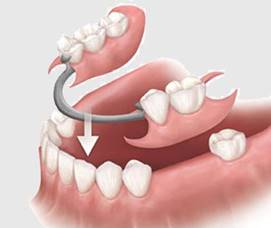
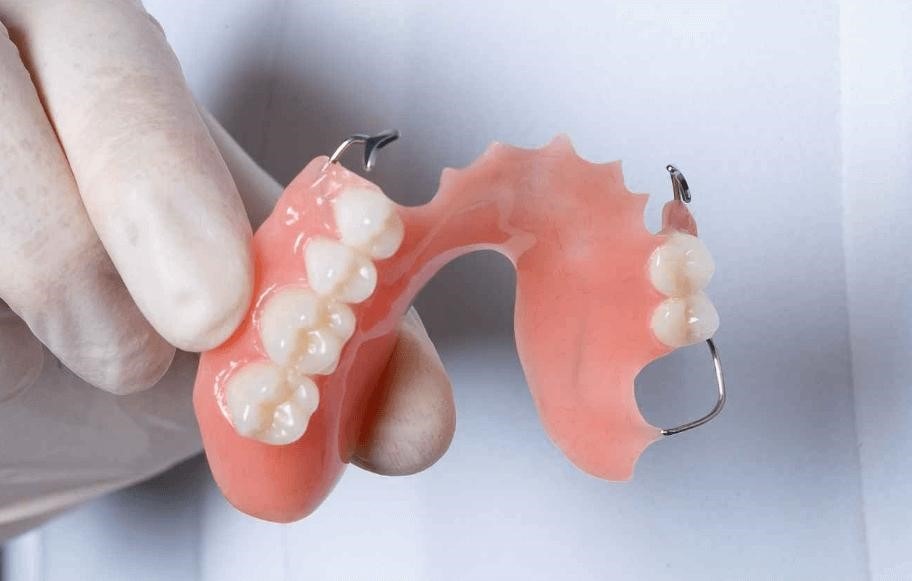
Removable Partial Denture
5
A partial denture is a removable appliance that replaces one or more missing teeth.
Advantages
✓ Generally the most affordable option
✓ Can replace several missing teeth at once
✓ Non-invasive treatment
✓ Relatively quick to make
Considerations
• Must be removed for cleaning
• May feel bulky initially
• Can move during eating or speaking
• Does not prevent bone loss
• May require periodic adjustment or replacement
Best For
Patients looking for a cost-effective way to replace multiple missing teeth.
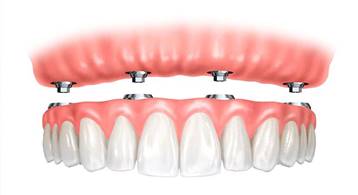
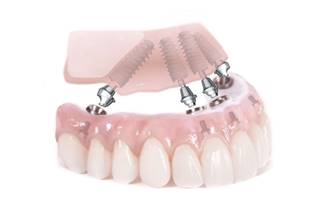
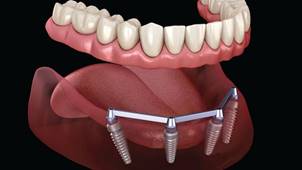
Implant-Supported Dentures
5
For patients missing many or all of their teeth, dentures can be anchored to implants for improved stability and comfort.
Advantages
✓ More secure than conventional dentures
✓ Improved chewing ability
✓ Greater comfort and confidence
✓ Helps maintain jawbone
✓ Less movement during speaking and eating
Considerations
• Higher cost than conventional dentures
• Surgical treatment required
• Not suitable for everyone without assessment
Best For
Patients missing multiple teeth who want improved stability and function.
Which Option Is Right for You?
There is no one-size-fits-all solution.
The ideal treatment depends on:
- The number of teeth missing
- The health of your gums and jawbone
- Your bite and chewing function
- Your general health
- Your budget and preferences
- Long-term goals for your oral health
A comprehensive examination allows us to assess your individual needs and discuss the advantages and limitations of each option so that you can make an informed decision.
The Earlier Missing Teeth Are Replaced, the Better
Replacing missing teeth sooner rather than later can help prevent bone loss, unwanted tooth movement, bite changes, and more complex treatment in the future.
If you have lost one or more teeth and would like to explore your options, we would be happy to discuss the most suitable solution for restoring your smile, comfort, and long-term oral health.
